Green Living 3 min read

Effortless Sponge Sanitization: Microwave Cleaning Made Simple

Keeping your kitchen sponge clean is not just about aesthetics; it’s crucial for maintaining hygiene and preventing the spread of bacteria. Among various methods, using the microwave is a standout solution for quick and efficient sanitization. This guide dives into how to clean a sponge in the microwave, ensuring your kitchen remains a safe and […]
Jimmy Ho
Published 04 Mar 2024
Effortless Sponge Sanitization: Microwave Cleaning Made Simple
Related Post
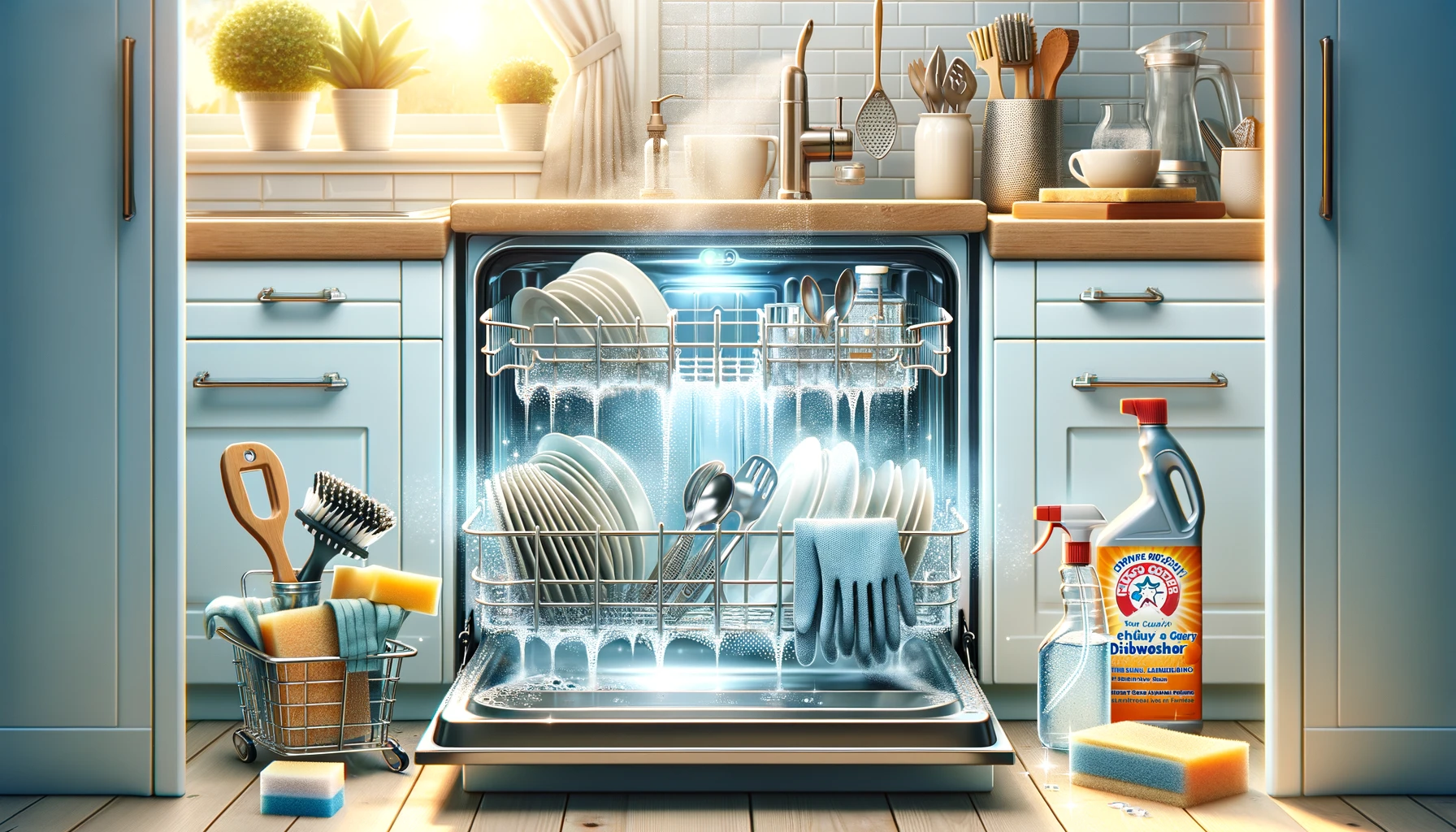
How to Clean a Stinky Dishwasher: A Complete Guide to Banishing Odors

Healthy Living

How to Clean a Stinky Dishwasher: A Complete Guide to Banishing Odors

A stinky dishwasher can be a major inconvenience, affecting not only the cleanliness of your dishes but also the overall...

Jimmy Ho

03 Mar 2024

move in move out cleaning services

Healthy Living

Move-In/Out Cleaning Services: Why It’s a Game-Changer

Moving blends excitement with stress, marking both hellos and goodbyes. Amidst packing and planning, the cleanliness of your homes in...

Jimmy Ho

19 Feb 2024

vinegar-baking-soda-bleach-and-borax

Green Living

Different products to clean your washing machine

It is natural to assume that washing machines do not need to be cleaned as they will be cleansed simultaneously...

admin

15 Mar 2022

What are the three post-construction cleaning phases?

Commercial Cleaning Tips

What Are the Phases of Post-Construction Cleaning

Post-construction cleaning is a necessary task during the construction of a project. Whether it’s a new house or a renovated...

Jimmy Ho

18 Apr 2023

decorate bathroom

Residential Cleaning Tips

How to Decorate a Bathroom: Transforming Your Private Oasis

When it comes to home decor, the bathroom is often overlooked or treated as an afterthought. However, with a little...

Jimmy Ho

13 Sep 2023

Antimicrobial Armor vs. Electrostatic Disinfection

Commercial Cleaning Tips

Antimicrobial Armor vs. Electrostatic Disinfection

In commercial cleaning cooperation, we usually meet up with the words “electronic disinfection” and “antimicrobial resistance” (or antimicrobial amor). Contrary...

Jimmy Ho

02 Nov 2022

What is the Ultimate Checklist for Office Cleaning Supplies?

Commercial Cleaning Tips

All About Cleaning Tasks That You Can Expect From Office Cleaning

In the US, many firms are currently operating normally. To continuously sanitize and disinfect their entire facility, company owners enlist...

Jimmy Ho

27 Jul 2022

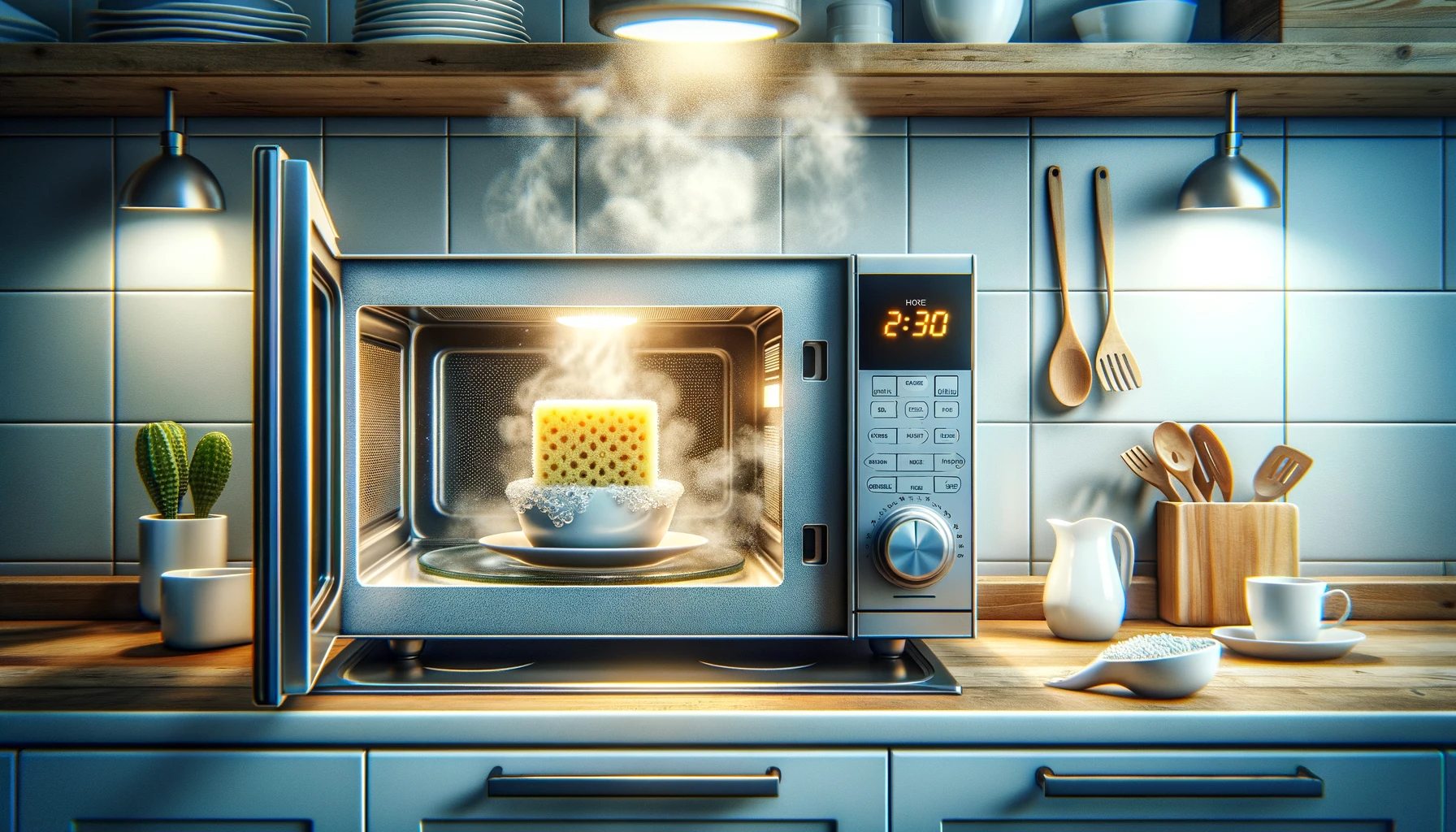
Keeping your kitchen sponge clean is not just about aesthetics; it’s crucial for maintaining hygiene and preventing the spread of bacteria. Among various methods, using the microwave is a standout solution for quick and efficient sanitization. This guide dives into how to clean a sponge in the microwave, ensuring your kitchen remains a safe and clean environment for food preparation.

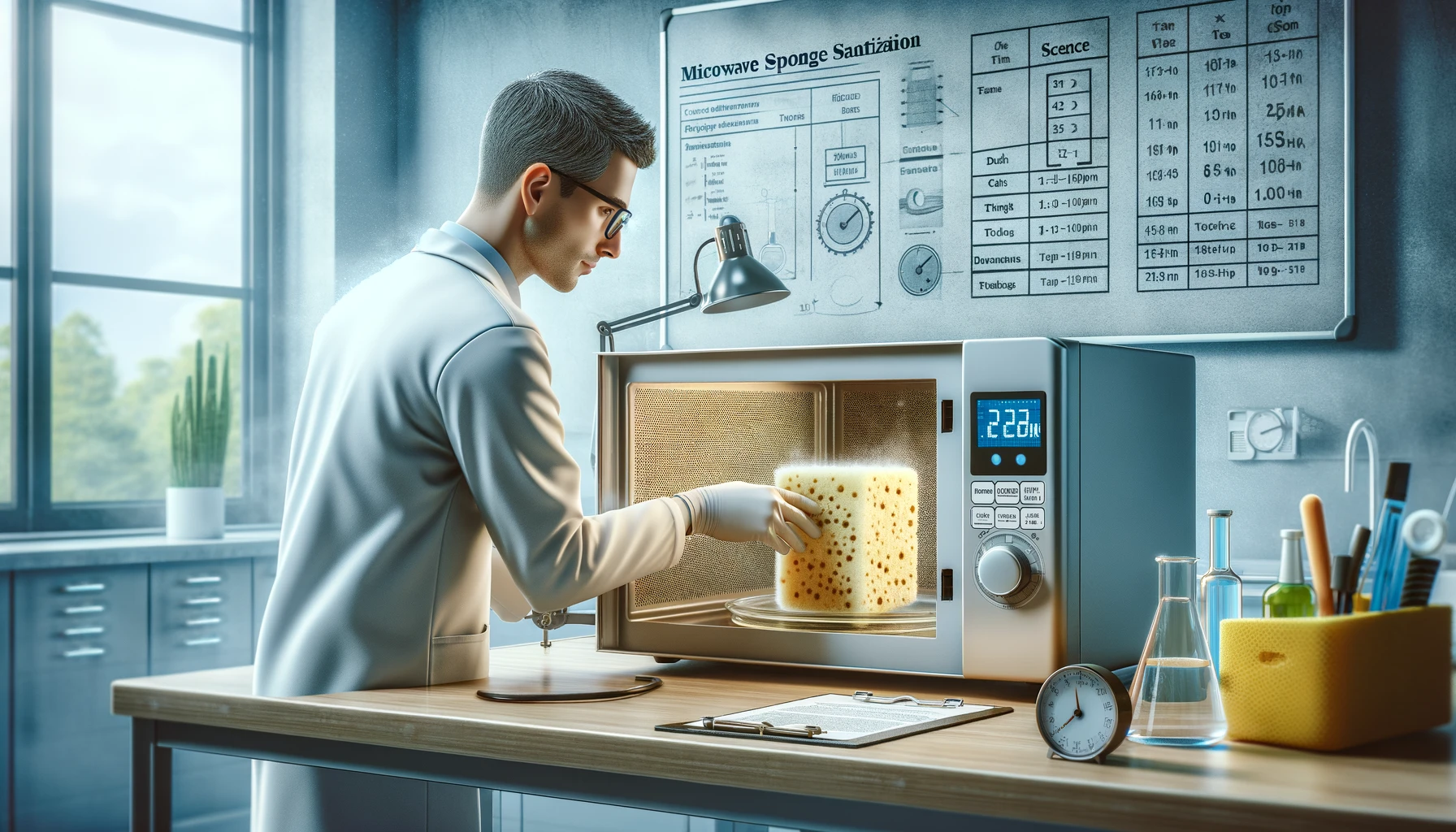
The Science Behind Microwave Sponge Sanitization

Your sponge can contain several billion bacterial cells in every square cubic centimeter of sponge material — that’s according to a 2017 study in Scientific Reports.

And it’s also likely that a lot of bacteria found on household surfaces and appliances were introduced there by a sponge because many people leave their kitchen sponges wet. Sponges accumulate dirt and bacteria quickly, and leftover food particles are another factor that can also breed colonies of bacteria.

Hundreds of bacteria can live on a sponge, including:
  • E. Coli may give you an upset stomach and/or diarrhea.
  • Enterobacter cloacae can cause skin and abdominal infections, among other illnesses.
  • Klebsiella oxytoca can cause vaginal infections, like a UTI.
  • Mycobacterium avium can cause pulmonary-related diseases in people with weakened immune systems
  • Staphylococcus aureus (Staph) can cause a staph infection that results in fever, swelling, and irritated skin.
  • Salmonella can cause food poisoning.

The Science Behind Microwave Sponge Sanitization

Step-by-Step: How to Clean a Sponge in the Microwave

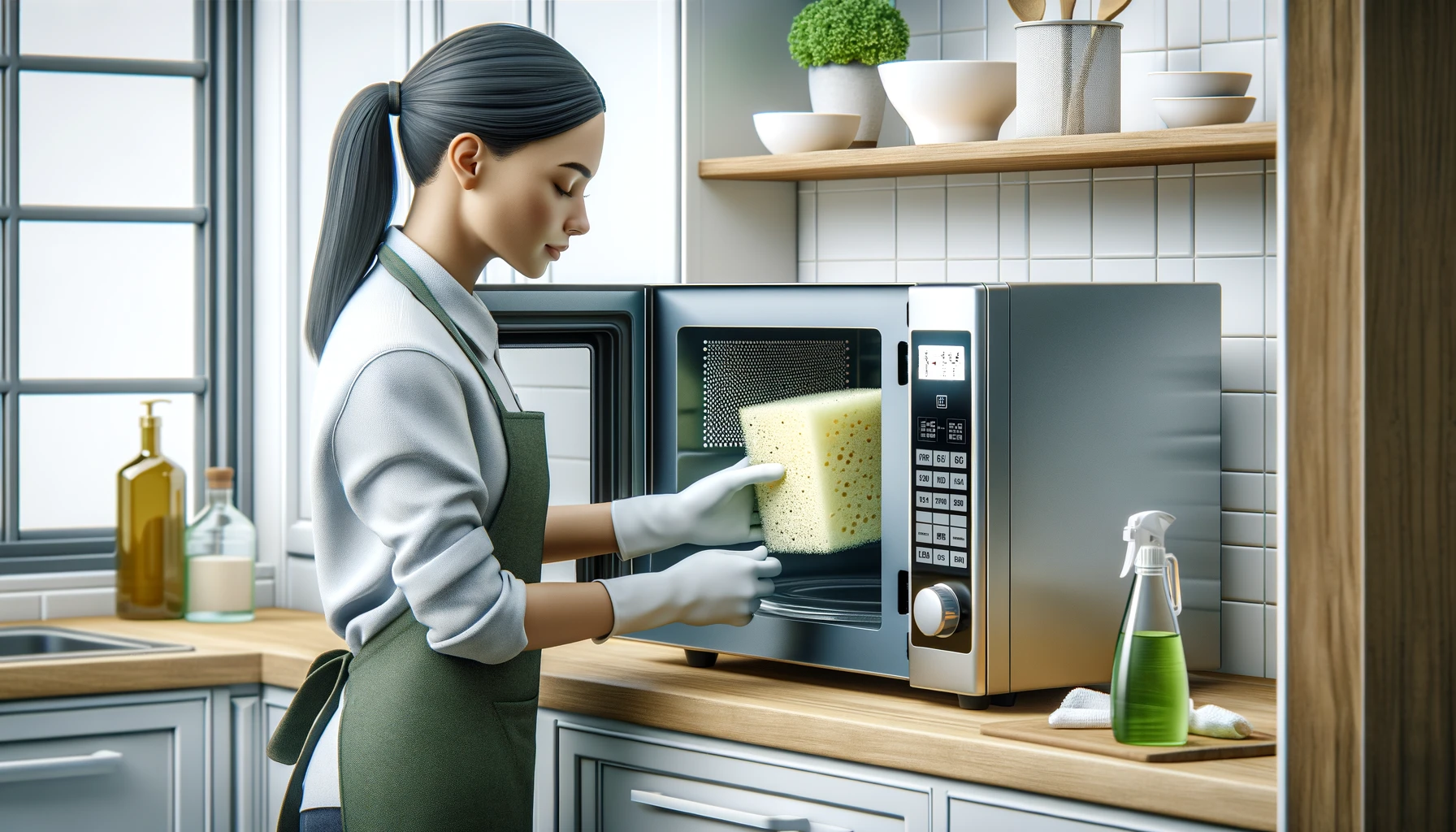
Preparing Your Sponge for the Microwave

Before microwaving, ensure the sponge is fully wet to prevent fire risks and lightly lather it with soap for extra cleaning power. However, rinse out any large particles to avoid unpleasant odors.

Preparing Your Sponge for the Microwave

Microwaving Your Sponge Safely

  1. Soak the Sponge: Thoroughly wet the sponge to ensure it doesn’t catch fire.
  2. Set the Time: Microwave the sponge on high for 1 to 2 minutes. Adjust based on your microwave’s power.
  3. Cool Down: Allow the sponge (and the microwave plate) to cool before handling to avoid burns.

Microwave Sanitization Safety Tips

  • No Metal: Ensure your sponge doesn’t have any metal components to avoid sparks or fire.
  • Watch the Time: Limit microwaving to 2 minutes to reduce fire risk.

Maintaining Your Sponge’s Hygiene

Maintaining Your Sponge’s Hygiene

Regular Microwave Sanitization

To keep your sponge clean and germ-free, aim to microwave it every other day, especially after heavy use.

Knowing When to Replace Your Sponge

Even with regular cleaning, sponges wear out. If it smells or looks worse for wear, it’s time for a new one.

Alternatives to Microwave Sanitization

If the microwave method isn’t for you, try these:

  • Dishwasher Cleaning: Run it through a cycle with drying.
  • Boiling Water: Boil your sponge for a few minutes.

FAQs About Cleaning Sponge In The Microwave

  1. How often should I microwave my sponge?
    • Sanitizing every other day is ideal, especially for sponges in regular use.
  2. Can any sponge be cleaned in the microwave?
  3. How wet should the sponge be before microwaving?
    • The sponge should be thoroughly wet to prevent fire hazards and ensure it doesn’t dry out and burn.
  4. Is microwaving a sponge better than using bleach?
    • Microwaving is an eco-friendly alternative that avoids harsh chemicals, making it better for the environment and potentially safer for your family.

Conclusion

Sanitizing your kitchen sponge in the microwave is a simple yet effective method to reduce bacteria and ensure your cleaning tools are as hygienic as the surfaces they clean. Incorporating this habit into your kitchen routine can significantly impact your overall food safety and hygiene practices.

Loading

Subscribe
Notify of
guest
0 Comments
Inline Feedbacks
View all comments
Index